
When a team is performing well, we love to credit the visible things. The great process. The right tools. The talented hire. All of that matters. But if you’ve ever watched two teams with nearly identical resources produce wildly different results, you’ve seen the thing nobody puts on the organization chart. One team executes with energy and ownership; the other goes through the motions. Same tools, same targets, different outcome. The variable is culture, and in operations especially, it’s the quiet force that decides whether everything else actually works.
Culture Isn’t the Perks. It’s the Defaults
Let’s clear up the biggest misconception first. Culture isn’t the swag, the happy hours, or the values printed on a wall. Culture is what your team does when no one is watching. It’s the default behavior when a problem shows up and there’s no rule for it. Does someone flag the issue or quietly hope it isn’t theirs? Do they fix the root cause or just close the ticket? Those defaults are your culture, and they’re running every hour of every day, whether you designed them on purpose or not. In operations, where thousands of small decisions happen without oversight, those defaults are everything.
Why Operations Lives or Dies on It
Operations is uniquely exposed to culture because so much of the work happens out of sight. You can’t supervise every ticket, every handoff, every judgment call. What you can do is build a team whose instincts you trust, because when the instincts are right, quality becomes the default instead of something you have to inspect for. A strong operational culture means problems get surfaced early, people take ownership instead of passing the buck, and the standard holds even on a busy Friday afternoon. A weak one means things slip quietly until they become fires. The process can be perfect on paper, but culture is what determines whether anyone actually follows it when it’s inconvenient.
The Ownership Difference
The single clearest marker of a high-performance operational culture is ownership. In a low-ownership environment, people do their assigned task and stop at the edge of their job description. The problem outside their lane is someone else’s problem. In a high-ownership one, people see a gap and step into it. They don’t need a manager to notice something’s off; they notice first. That difference compounds over time in a way that’s almost impossible to catch up to. Teams with real ownership don’t just execute faster, they self-correct, so small issues get solved before they ever reach you. That’s not something you can install with a tool. It has to be built into how the team thinks.
How KIVO Builds It In
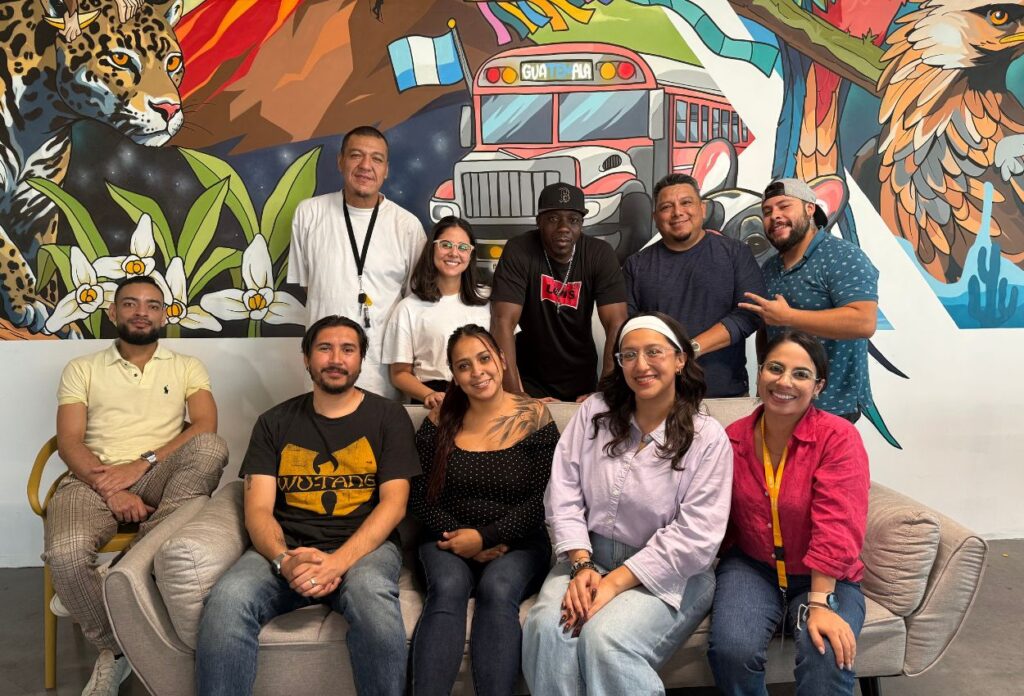
This is why culture isn’t an afterthought in our model. It’s one of the four pillars, right alongside Human, AI, and Process. We don’t just place talented people and hope the culture works itself out. We recruit for the mindset that makes operations run well: ownership, communication, and the instinct to raise a hand instead of hide a problem. Then we make sure your values travel with the work, so the team feels like an extension of yours rather than a separate group operating by different rules. AI handles the busywork and process keeps quality repeatable, but culture is what makes people actually care about the outcome. Without it, the other three pillars are just infrastructure with no one driving.
Where This Leaves You
If your operations feel inconsistent despite good tools and good people, the missing variable is probably the one you can’t see on a dashboard. Culture is what turns capable people into a high-performing team, and it’s the hardest thing to fake and the easiest thing to overlook.
If you want operational capacity that comes with the right culture already built in, let’s talk about what that could look like for your team.
Contact Us