Guatemala is a country where tradition is not just preserved, it’s lived every day. Across every city, town, and rural community, culture is expressed through color, language, and celebrations passed down through generations. From vibrant textiles and local markets to music, food, and community celebrations, each tradition reflects a deep connection to history and identity.
Holy Week
Guatemala during Holy Week, or as we call it, Semana Santa, is not something you simply observe, it’s something you feel. It takes over entire cities, especially Antigua and Guatemala City’s Zone 1, transforming everyday streets into spaces filled with color, devotion, and tradition. There’s a certain energy in the air during this time, slower, more intentional, almost sacred. It’s a moment where history, culture, and faith come together in a way you can’t find anywhere else.
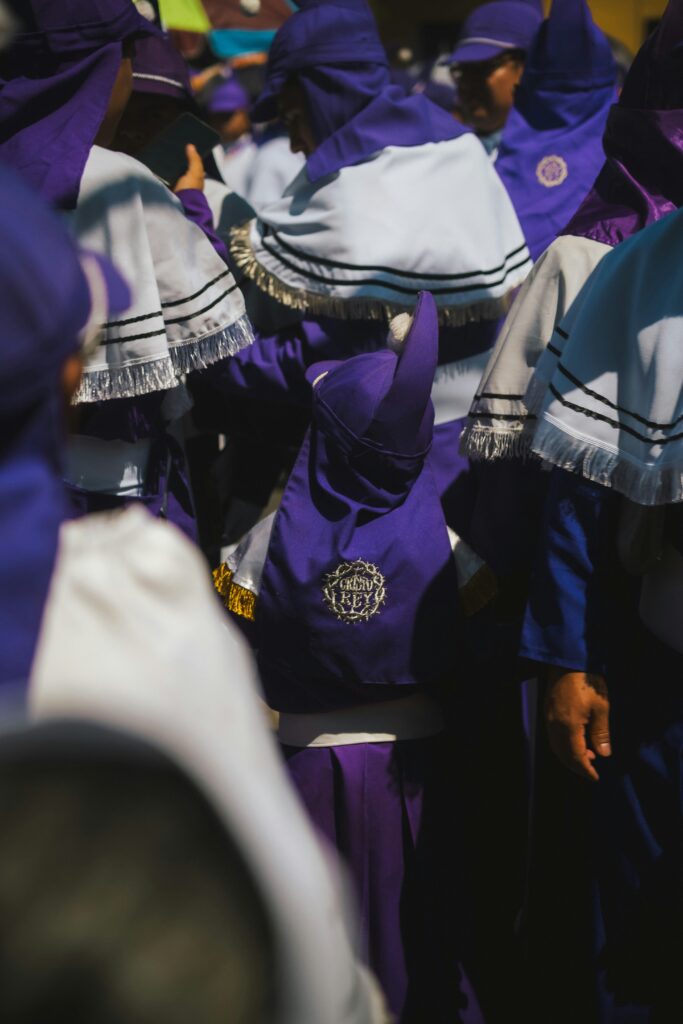
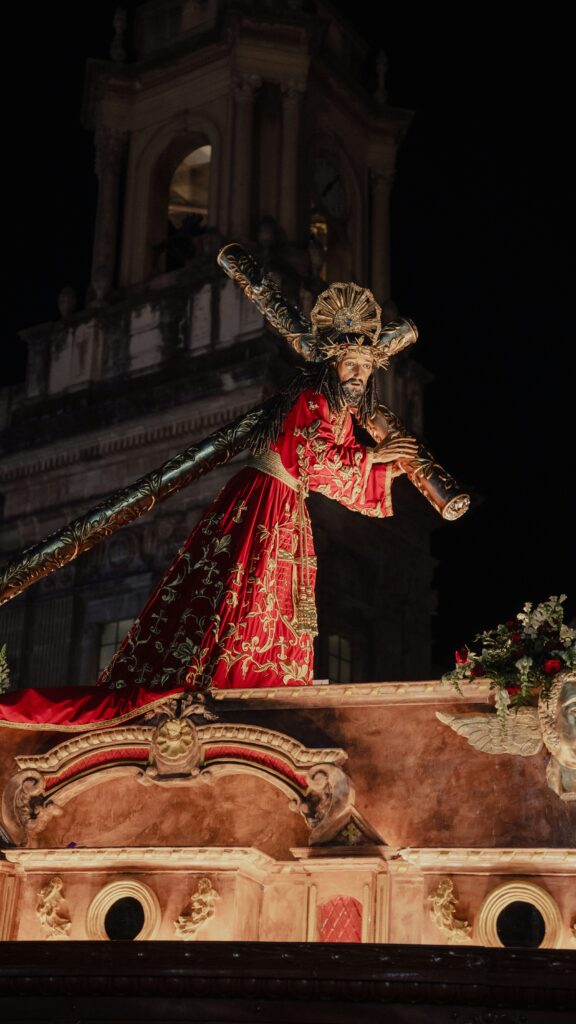
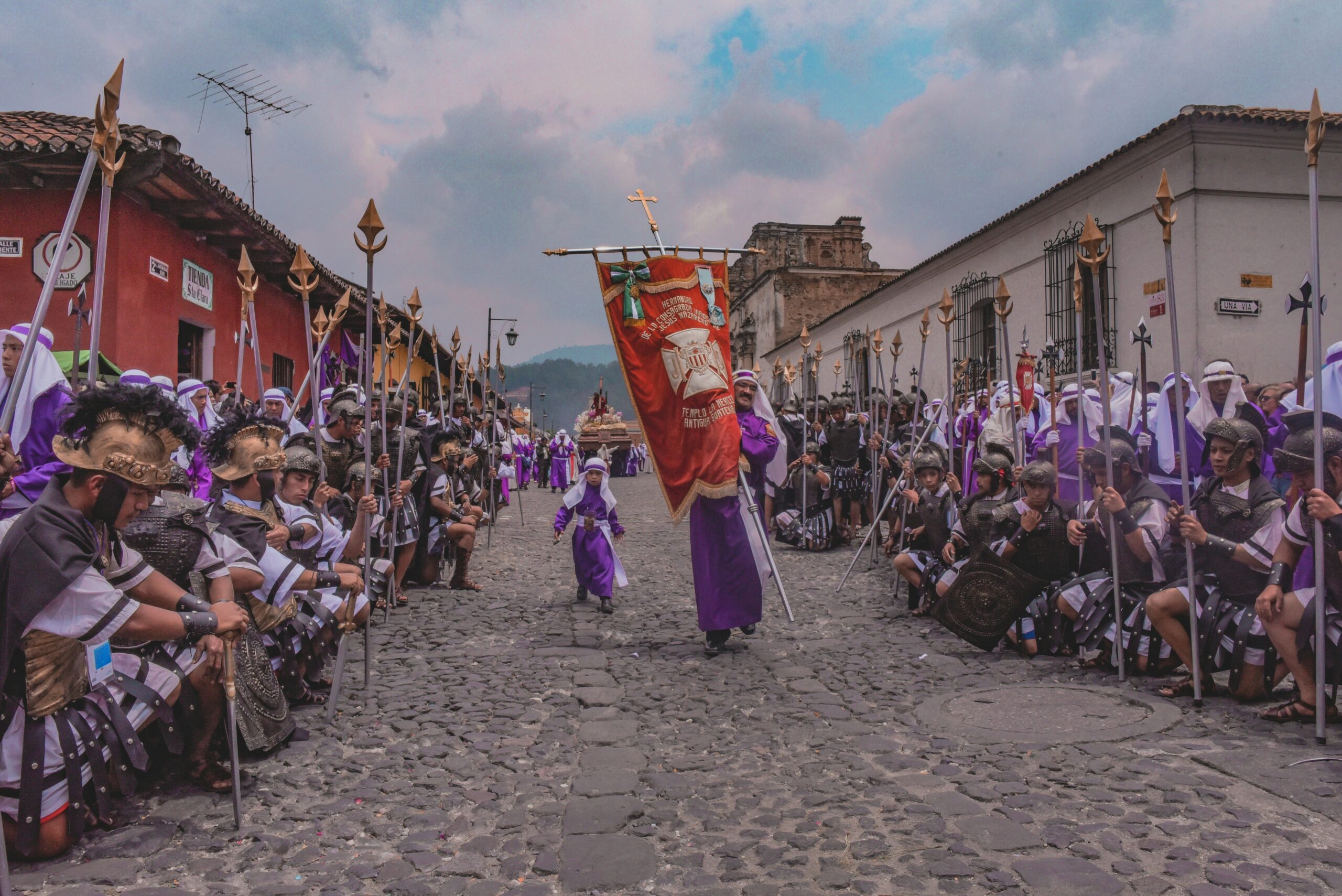
At the center of it all are the processions. These are not quick or symbolic gestures. They are long, intricate, and emotionally filled events that can last for hours. Massive wooden floats are carried through the streets by groups of people dressed in traditional garments. The movement is slow and deliberate, accompanied by solemn music and incense. Each procession tells a story, often representing moments from the Passion of Christ, and the level of detail in the sculptures and decorations turns each one into a moving piece of art.
What makes the processions even more powerful is the sense of community behind them. Entire groups spend months preparing, organizing, rehearsing, and coordinating every detail. Being part of a procession is not just about participation, it’s about tradition, identity, and belonging. Many families pass this role down through generations, making it something deeply rooted in both personal and cultural history.
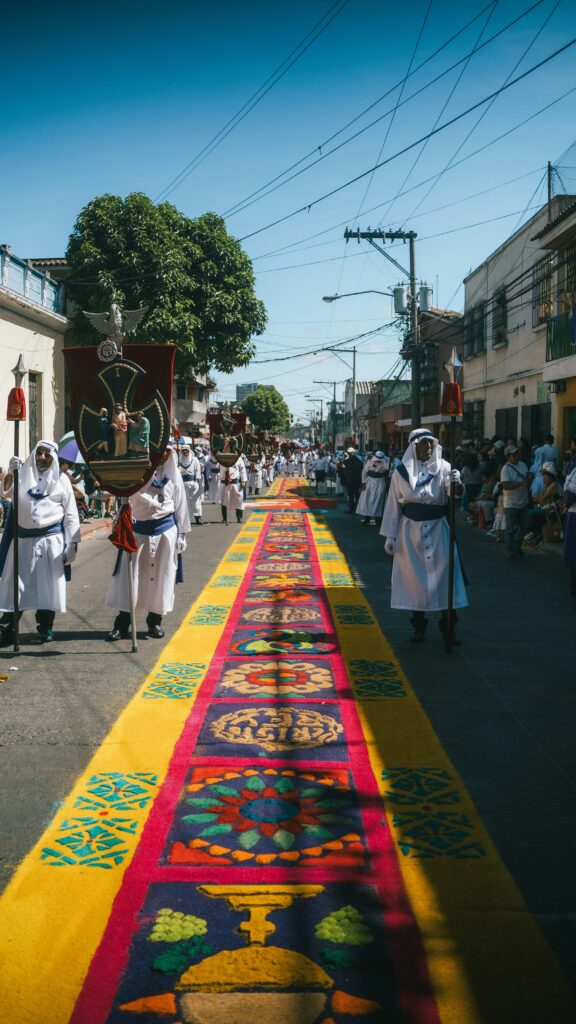
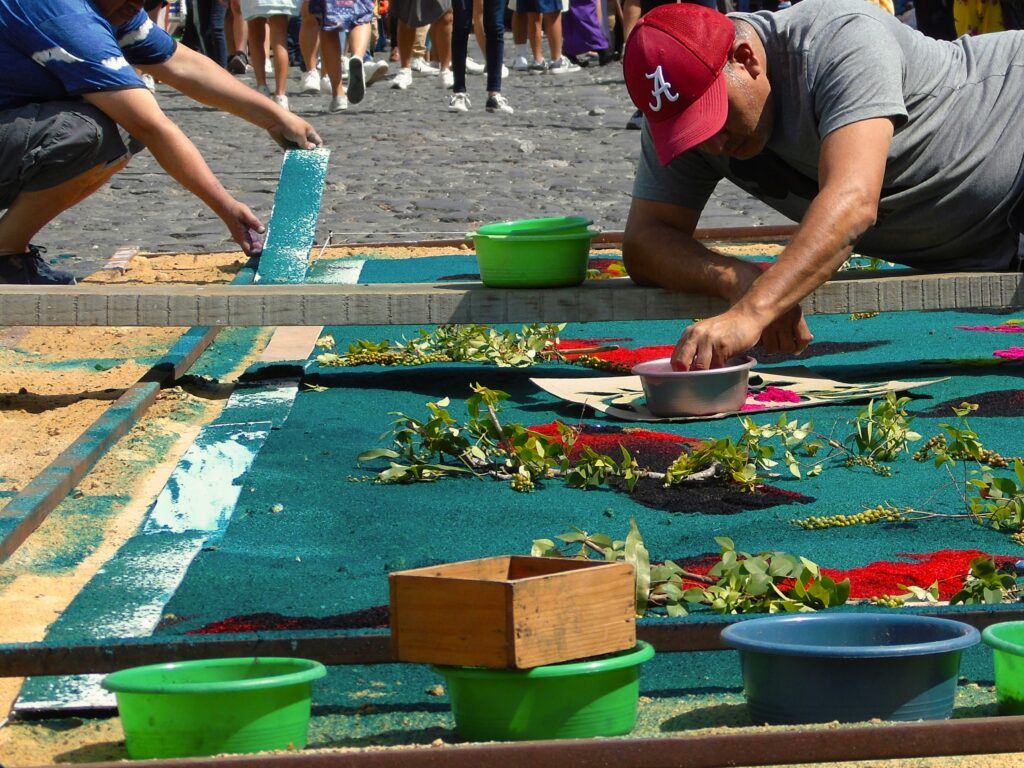
Then there are the alfombras, or carpets, which are one of the most visually striking elements of Semana Santa. Made from colored sawdust, flowers, pine needles, fruits, and even bread, these designs are carefully crafted on the streets hours before the processions pass. The level of detail is incredible. They are filled with patterns and vibrant color combinations that reflect both creativity and devotion. And yet, their beauty is temporary. As soon as the procession passes, they are walked over and disappear, making them a powerful symbol of effort, impermanence, and offering.
Food As a Key Factor in Our Traditions
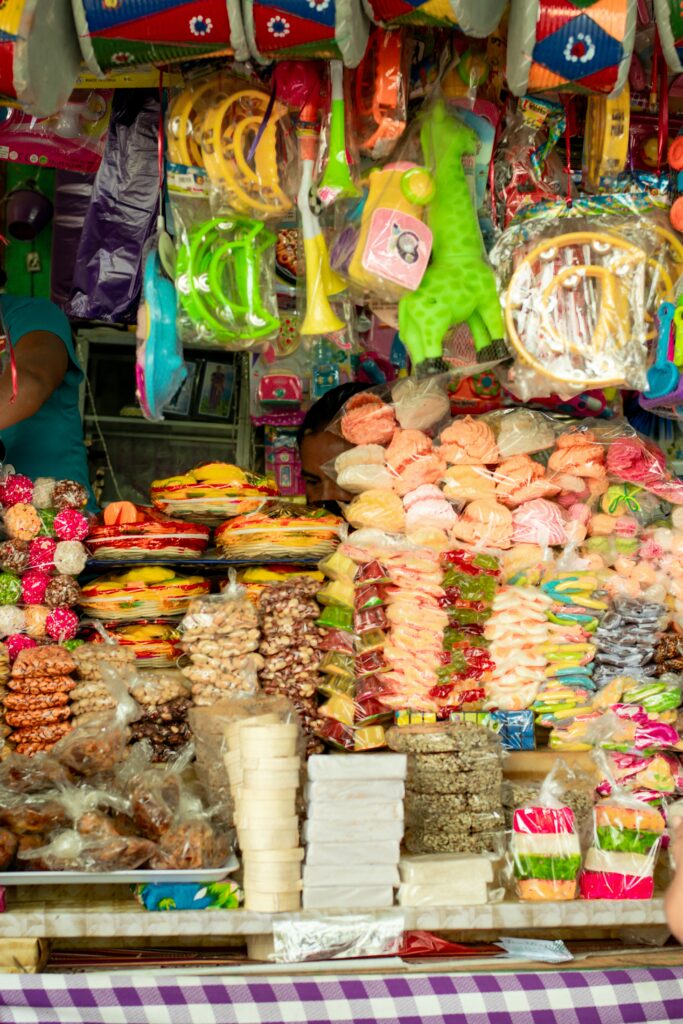
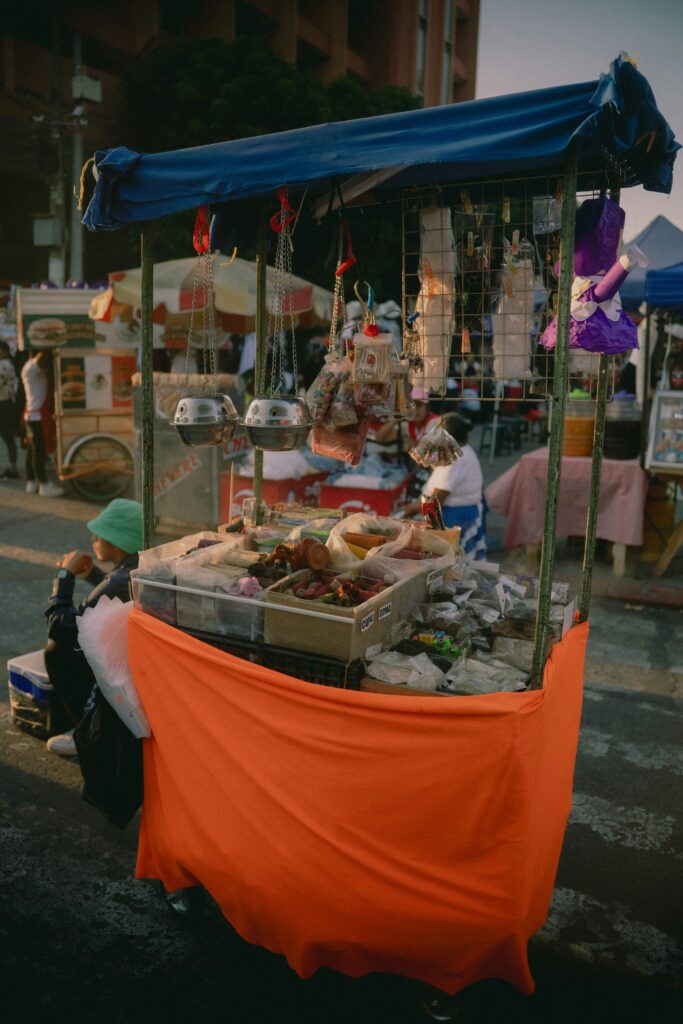
Food also plays a huge role during this time, adding another layer to the experience. Traditional dishes like bacalao, empanadas de manjar, torrejas, and molletes are prepared and shared among families. Many of these recipes are only made during Semana Santa, which makes them even more special. Food becomes part of the tradition as a way of connecting with culture, memory, and family.
A Moment Where Everything Slows Down
Another important detail is also the strong sense of pause you can feel during this time. In cities like Antigua, daily routines shift. Businesses slow down, streets close, and people take time to participate or simply observe. It’s one of the few moments in the year where everything feels more intentional, where people step away from the usual pace of life to be present in something larger than themselves.
More Than Tradition: A Living Expression of Identity
For many, Semana Santa is deeply spiritual. It’s a time for reflection, faith, and connection. But even for those who don’t participate from a religious perspective, the cultural significance is undeniable. It’s about community, artistry, and the shared experience of something that has been built and preserved over centuries.
That’s what makes Semana Santa in Guatemala so special. It’s not just a tradition, it’s an expression of identity. It brings people together, tells stories without words, and turns entire cities into living, moving works of art. It’s something that stays with you long after it’s over, not just because of how it looks, but because of how it feels.